
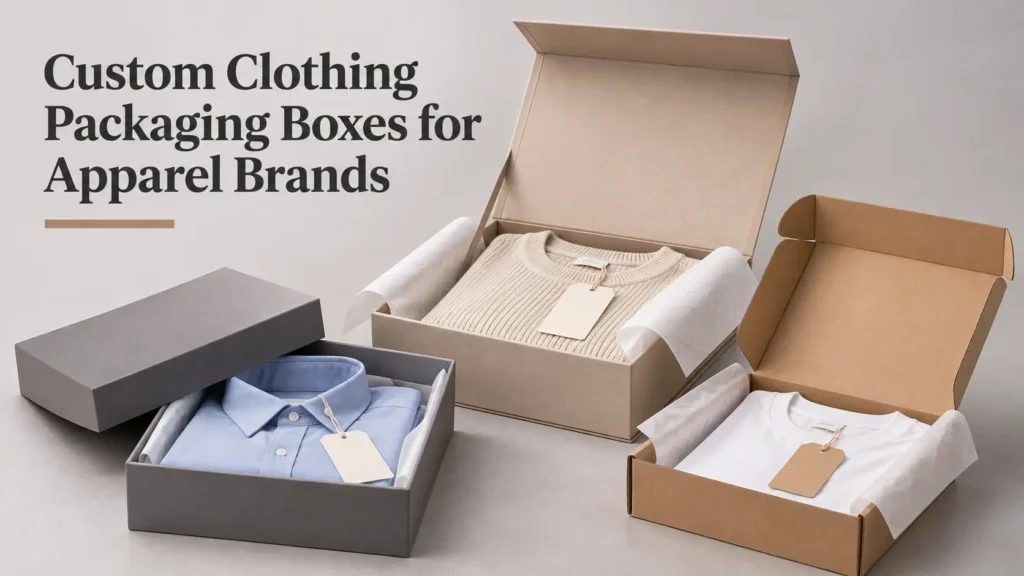
Clothing packaging is designed to protect garments, enhance brand presentation, and support retail sales, wholesale distribution, and e-commerce delivery. The best packaging solution depends on garment dimensions, material requirements, brand positioning, transportation conditions, and purchasing budgets.
Custom apparel boxes allow clothing brands, retailers, and wholesalers to personalize box structures, sizes, materials, logos, printing, and surface finishes. From premium magnetic boxes to practical corrugated mailer boxes, different packaging structures serve different commercial purposes.
Whether you are developing a luxury fashion collection or sourcing apparel box wholesale solutions, choosing suitable packaging can help improve product presentation, control purchasing costs, and maintain consistent brand quality.
This guide explores clothing packaging types, materials, customization options, and essential purchasing considerations for apparel businesses.
What Is Clothing Packaging and Why Is It Important?
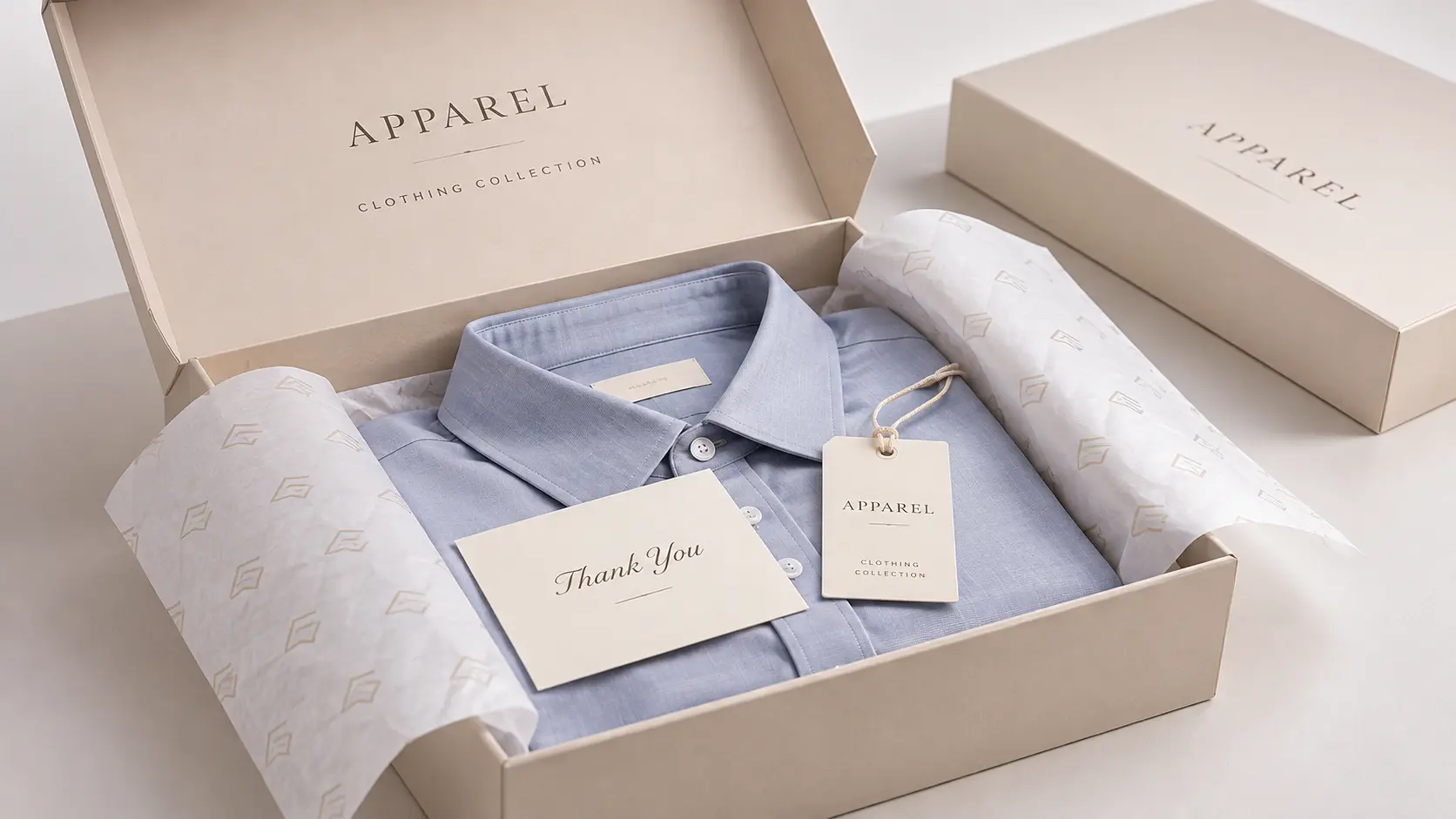
Clothing packaging refers to packaging solutions used to protect, present, store, and distribute garments. For apparel businesses, packaging serves both functional and commercial purposes.
Product Protection: Helps protect garments against dust, friction, compression, and contamination.
Brand Recognition: Custom logos, colors, and printed artwork strengthen brand identity.
Customer Experience: Attractive packaging creates a more memorable unboxing experience.
Retail Presentation: Well-designed boxes enhance the perceived value of clothing products.
Operational Efficiency: Suitable packaging structures simplify storage, order fulfillment, and distribution.
For international clothing brands, consistent packaging quality also supports brand recognition across different markets and sales channels.
6 Common Types of Custom Apparel Boxes

Selecting the right box structure is an important step in developing effective clothing packaging. Each structure offers different advantages in presentation, protection, storage, and production costs.
1. Magnetic Closure Boxes
Magnetic closure boxes feature a hinged lid with embedded magnets. Their rigid construction and sophisticated appearance make them suitable for luxury clothing, designer garments, and premium fashion collections.
Custom logos, specialty papers, and metallic foil stamping can further enhance their appearance.
2. Foldable Rigid Boxes
Foldable rigid boxes combine premium presentation with a collapsible structure. Empty boxes can be stored and transported flat before assembly, potentially reducing storage and shipping volume.
They are particularly suitable for international clothing brands and bulk packaging buyers.
3. Lid and Base Boxes
Lid and base boxes, also known as two-piece boxes, feature a separate lid and bottom tray.
Their simple structure makes them suitable for shirts, T-shirts, sweaters, and clothing gift sets. Businesses can choose different board thicknesses and wrapping papers according to their budgets.
4. Drawer Boxes
Drawer boxes feature a sliding inner tray and an outer sleeve, creating a distinctive opening experience.
They are commonly used for underwear, socks, scarves, ties, and other fashion accessories. Ribbon pull tabs and custom printed sleeves can provide additional branding opportunities.
5. Corrugated Mailer Boxes
Corrugated mailer boxes are widely used by e-commerce clothing brands. Their folded structure provides practical protection during handling and transportation.
Both interior and exterior surfaces can be customized with brand artwork, promotional messages, and printed logos.
6. Double Door Boxes
Double door boxes feature two opening panels that reveal the garments inside. Their distinctive structure is suitable for luxury apparel collections, promotional gift sets, and limited-edition fashion products.
Apparel Box Structure Comparison
| Box Type | Best Application | Main Advantage | Relative Cost |
|---|---|---|---|
| Magnetic Box | Luxury clothing | Premium presentation | High |
| Foldable Rigid Box | Bulk apparel orders | Flat-pack storage | Medium–High |
| Lid and Base Box | Shirts and sweaters | Versatile structure | Medium |
| Drawer Box | Underwear and accessories | Elegant opening | Medium–High |
| Mailer Box | E-commerce clothing | Shipping protection | Low–Medium |
| Double Door Box | Premium gift sets | Luxury unboxing | High |
Actual packaging costs depend on dimensions, materials, printing, finishing, and order quantity.
How to Choose the Right Boxes for Garments
Different garments require different packaging structures because of variations in fabric thickness, folded dimensions, weight, and product positioning.
Lightweight garments generally require shallow rectangular boxes, while thicker clothing needs additional internal depth. Premium products may benefit from rigid packaging that provides greater structural stability and an attractive presentation.
| Garment Type | Recommended Box Style |
|---|---|
| T-Shirts | Mailer boxes or lid and base boxes |
| Shirts | Lid and base boxes or magnetic boxes |
| Hoodies | Corrugated mailer boxes |
| Sweaters | Foldable rigid boxes |
| Dresses | Magnetic closure boxes |
| Underwear | Drawer boxes |
| Scarves and Ties | Drawer boxes or two-piece boxes |
| Clothing Gift Sets | Magnetic or double door boxes |
When selecting boxes for garments, buyers should also consider whether the packaging will be used for retail display, direct shipping, or premium gift presentation.
A suitable packaging structure should meet functional requirements without adding unnecessary material or manufacturing costs.
How to Determine Clothing Packaging Box Sizes
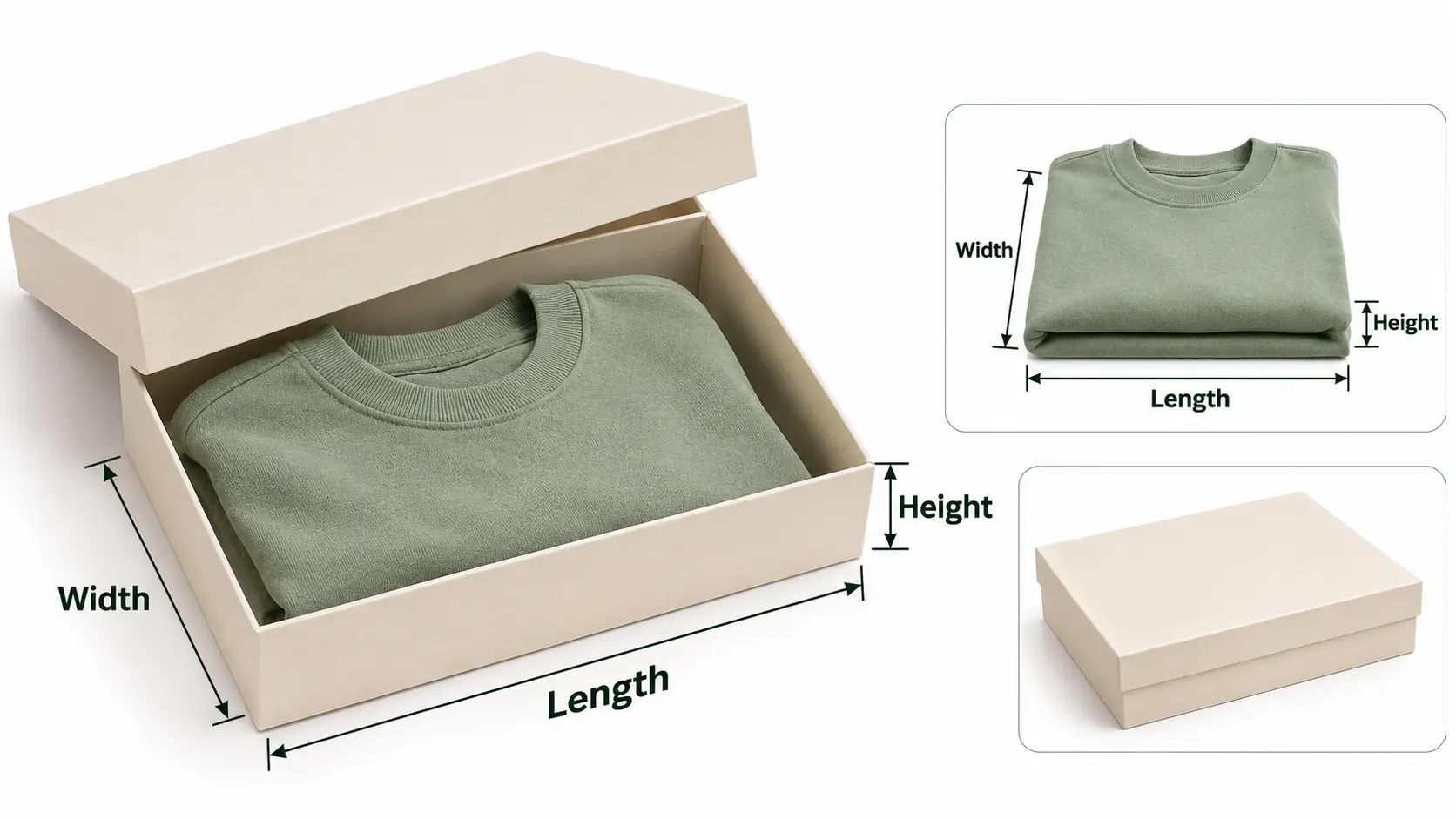
Selecting appropriate clothing packaging box dimensions helps maintain garment presentation while improving material and transportation efficiency.
Before confirming packaging dimensions, businesses should consider the following factors:
Measure the length, width, and height of the folded garments.
Determine whether the box will contain individual products or clothing sets.
Allow space for tissue paper, brand cards, ribbons, and other accessories.
Distinguish between internal and external box dimensions.
Consider warehouse storage and transportation requirements.
Internal dimensions determine the usable space for garments, while external dimensions influence storage and shipping volume.
For clothing brands with multiple product collections, developing several standardized box sizes may simplify inventory management and reduce purchasing complexity.
Physical samples should always be evaluated before bulk production to confirm garment fit, box closure, and overall presentation.
Best Materials for Clothing Packaging Boxes
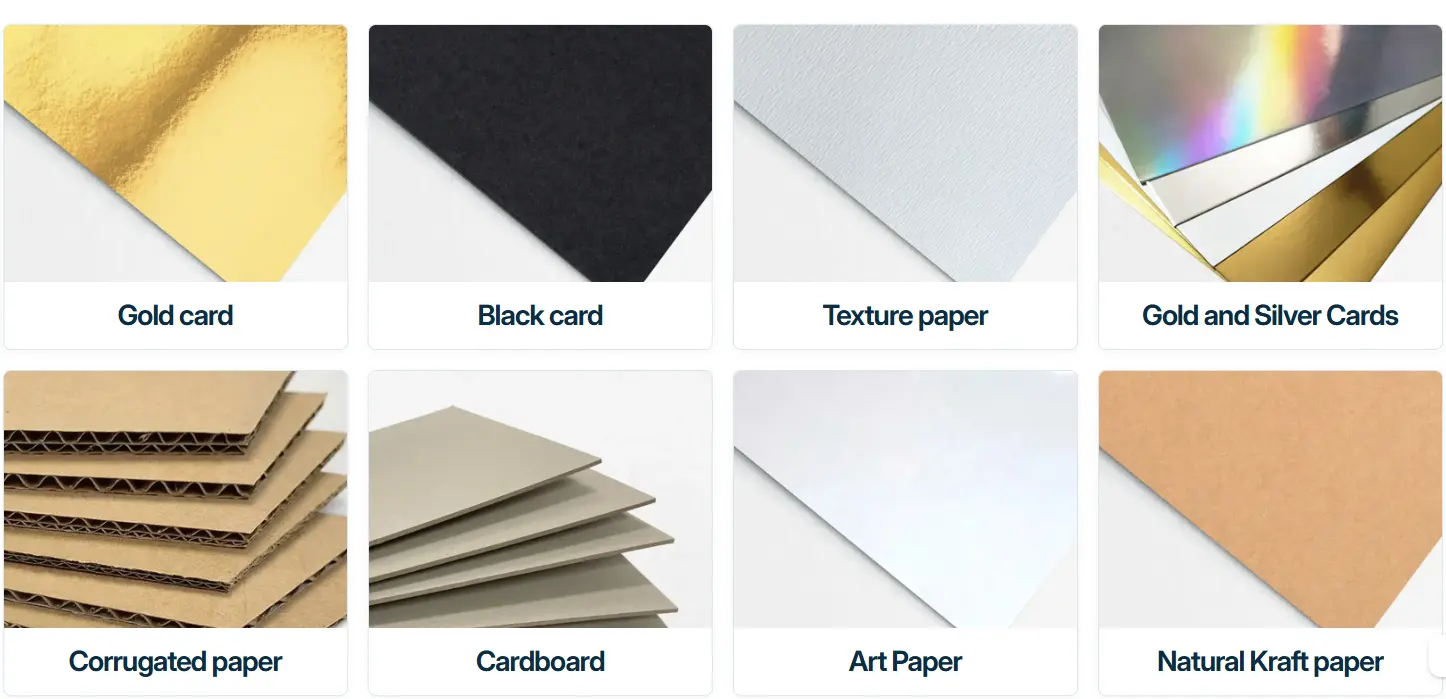
Material selection affects packaging strength, appearance, printing quality, weight, and manufacturing costs.
The following materials are commonly used in custom clothing packaging.
| Material | Main Application | Key Advantage |
|---|---|---|
| Greyboard | Rigid apparel boxes | Structural rigidity |
| Corrugated Board | Mailer and shipping boxes | Transportation protection |
| Kraft Paper | Natural-style packaging | Minimalist appearance |
| Art Paper | Custom printed boxes | Detailed printing |
| Specialty Paper | Luxury clothing boxes | Premium texture |
Greyboard is commonly used as the structural material for magnetic boxes, drawer boxes, and other rigid packaging. Corrugated board provides practical strength for shipping and distribution applications.
Art paper offers a smooth printing surface, while specialty paper provides decorative textures and distinctive visual effects. Kraft paper is popular among minimalist and lifestyle clothing brands.
Businesses with sustainability requirements can consider FSC-certified paper options, recycled paper materials, and designs that reduce unnecessary plastic components.
The recyclability of finished packaging should be evaluated based on its complete construction, including adhesives, coatings, magnets, and decorative accessories.
Printing and Finishing Options for Custom Clothing Packaging
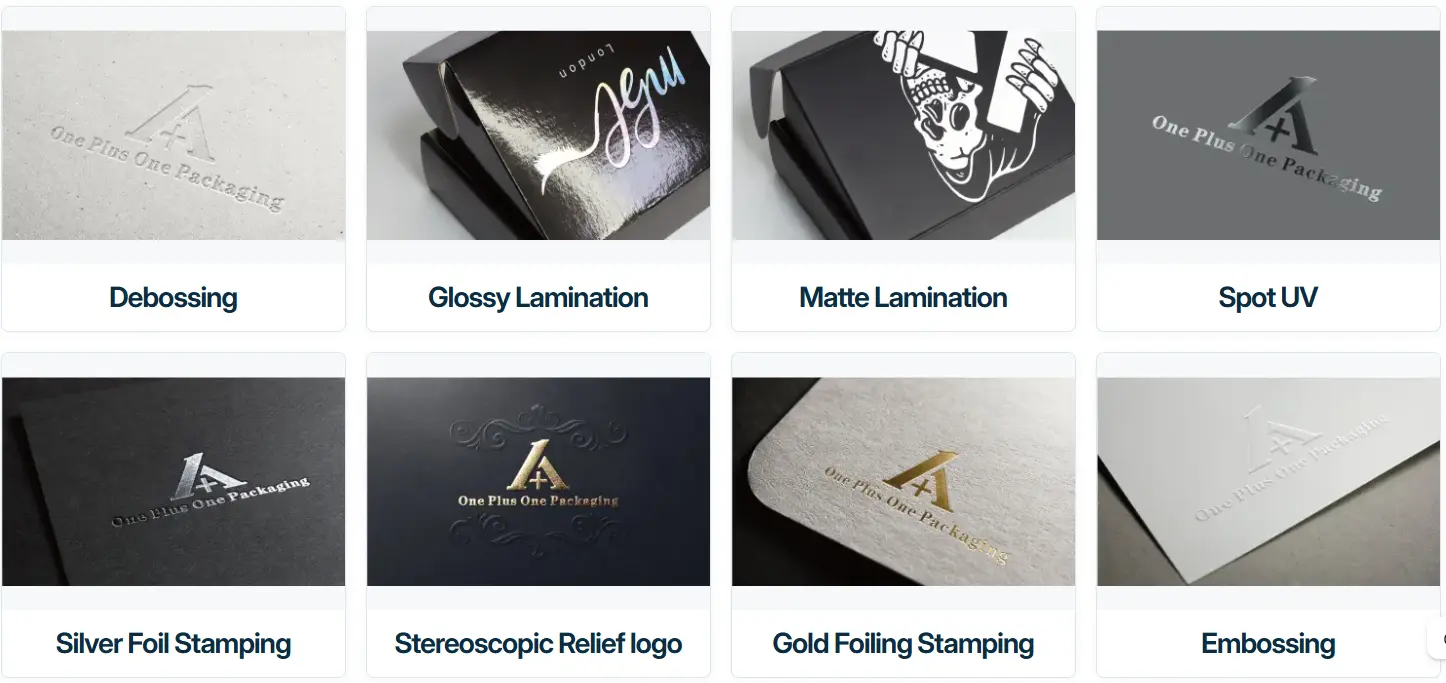
Custom printing and surface finishing help fashion brands create packaging that reflects their visual identity and product positioning.
Common customization options include:
CMYK Printing: Suitable for colorful artwork, illustrations, and detailed graphics.
Pantone Printing: Supports closer control of specific brand colors.
Gold and Silver Foil Stamping: Adds metallic decorative effects to logos and patterns.
Embossing and Debossing: Creates raised or recessed surface details.
Spot UV: Adds localized glossy effects to selected printed areas.
Matte and Gloss Lamination: Provides different visual appearances and printed surface protection.
The appropriate combination depends on the paper surface, artwork complexity, brand positioning, and available budget.
Additional accessories such as custom tissue paper, paper tags, stickers, thank-you cards, and ribbons can create a coordinated packaging experience.
Buyers should confirm printing colors and finishing effects during sampling to ensure the final packaging meets their expectations.
Clothing Packaging Solutions for Different Businesses
Retail Clothing Brands
Retail packaging should combine attractive product presentation with convenient handling. Lid and base boxes, drawer boxes, and magnetic boxes are suitable for clothing stores, boutiques, and branded retail collections.
E-commerce Clothing Businesses
Online clothing brands require packaging that balances shipping protection, brand presentation, and fulfillment efficiency.
Corrugated mailer boxes provide opportunities for custom printing while offering practical structural support during delivery.
Luxury Fashion Brands
Premium fashion brands often select rigid boxes, specialty papers, metallic foil stamping, and embossed logos to communicate product value and create a sophisticated unboxing experience.
Apparel Gift Packaging
Clothing gift boxes are suitable for seasonal campaigns, holiday collections, corporate gifts, and coordinated fashion sets.
Packaging designs should accommodate garments and accessories without unnecessary internal space.
Wholesale and Distribution Businesses
Wholesale buyers typically prioritize consistent quality, competitive pricing, reliable delivery, and efficient storage.
Foldable rigid boxes and standardized packaging specifications can support more efficient bulk purchasing and inventory management.
Apparel Box Wholesale: Key Purchasing Considerations
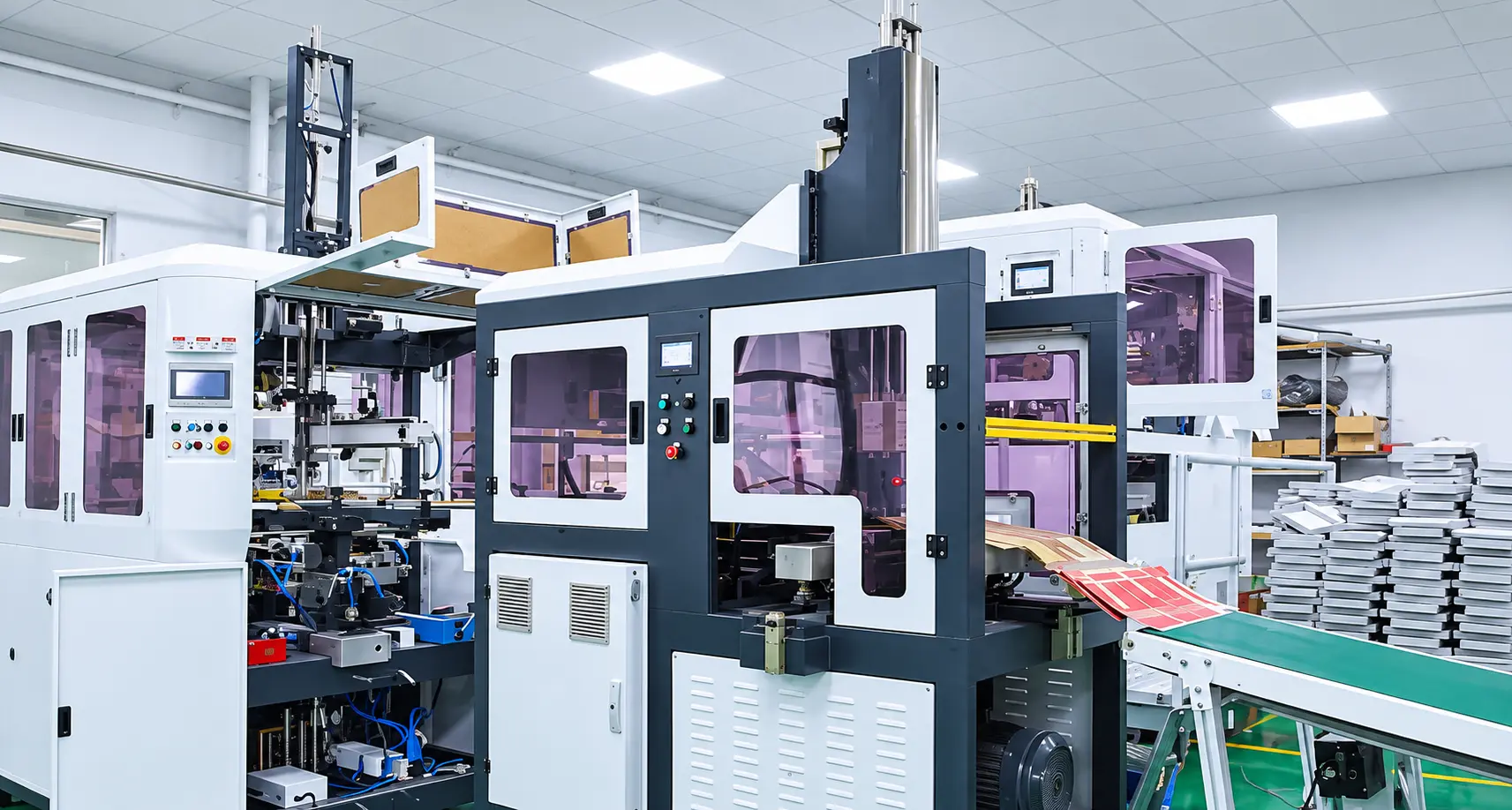
When evaluating apparel box wholesale options, businesses should consider total purchasing costs rather than focusing exclusively on the unit price.
What Affects Custom Apparel Box Prices?
Several factors influence the cost of custom apparel boxes:
Box dimensions and structural complexity
Paperboard type and thickness
Printing colors and artwork coverage
Surface finishing techniques
Magnets, ribbons, and packaging accessories
Order quantity and production requirements
Packing and transportation arrangements
Larger production quantities may reduce unit costs by distributing manufacturing setup expenses across more boxes.
However, buyers should balance purchasing quantities with actual sales demand, warehouse capacity, and inventory turnover.
Minimum Order Quantity and Sampling
Minimum order quantity is an important consideration when purchasing customized packaging.
OnePlusOne Packaging offers a standard MOQ of 500 pieces, with typical sample production taking approximately 3–5 days after specifications are confirmed.
Physical samples allow buyers to evaluate dimensions, material quality, color accuracy, surface finishes, and structural performance before approving mass production.
How to Compare Wholesale Packaging Quotations
| Purchasing Factor | Information to Confirm |
|---|---|
| Box Structure | Opening style and dimensions |
| Materials | Board thickness and paper type |
| Printing | Colors and printing coverage |
| Surface Finish | Lamination, foil, or embossing |
| MOQ | Minimum production quantity |
| Lead Time | Sampling and production schedule |
| Shipping | Freight terms and packing volume |
| Quality Control | Inspection and approval standards |
Comparing quotations based on equivalent specifications helps wholesale buyers make informed purchasing decisions and avoid unexpected costs.
How to Customize Clothing Packaging Boxes
The custom packaging manufacturing process typically includes seven steps:
Confirm Requirements: Provide garment dimensions, quantities, intended applications, and packaging preferences.
Select Materials and Structure: Choose suitable box styles, paperboard materials, and packaging accessories.
Prepare Artwork: Confirm the packaging dieline, logo, colors, and printing requirements.
Sample Production: Evaluate the physical sample and approve the final specifications.
Mass Production: Manufacture packaging according to the approved sample.
Quality Inspection: Check dimensions, printing quality, appearance, and structural functionality.
Packing and Delivery: Prepare finished packaging for international transportation.
Clear communication throughout the customization process helps reduce production errors and maintain consistent packaging quality across repeat orders.
How to Choose a Reliable Clothing Packaging Supplier
Selecting an experienced packaging supplier is essential for clothing brands purchasing customized boxes in bulk.
Businesses should evaluate several important factors:
Manufacturing experience and production capacity
Customization capabilities and available box structures
Material selection and printing options
Quality control procedures and certifications
Sampling and production lead times
Communication and after-sales support
Working directly with an established packaging factory can simplify communication, improve production coordination, and support consistent product quality.
For international buyers, reliable delivery schedules are particularly important when coordinating seasonal collections, promotional campaigns, and new product launches.
Why Choose OnePlusOne Packaging for Custom Apparel Boxes?
OnePlusOne Packaging is a professional paper packaging manufacturer based in Guangzhou, China, providing OEM and ODM packaging solutions for clothing brands, wholesalers, retailers, and e-commerce businesses.
Our manufacturing capabilities include:
13+ years of OEM and ODM experience
1,200+ m² manufacturing facility
150+ experienced employees
94+ sets of production equipment
Approximately 680,000 paper boxes in monthly production capacity
Standard MOQ of 500 pieces
Typical sampling time of 3–5 days
In-house manufacturing and quality inspection
ISO 9001 certification and FSC-certified paper options
We provide one-stop customization services covering box structures, dimensions, materials, logos, printing, surface finishes, and packaging accessories.
Explore our custom apparel packaging boxes to find suitable packaging solutions for your clothing business.
Whether you require luxury rigid boxes, foldable apparel boxes, or bulk corrugated mailer boxes, our team can develop packaging according to your purchasing requirements.
Conclusion
Effective clothing packaging combines garment protection, brand presentation, material quality, and purchasing efficiency.
From premium magnetic boxes to practical corrugated mailer boxes, custom apparel boxes provide flexible solutions for different clothing products and business models.
For businesses sourcing apparel box wholesale orders, choosing appropriate structures, confirming production samples, and working with a reliable manufacturer can help maintain consistent quality and control purchasing costs.
OnePlusOne Packaging provides customized clothing packaging solutions for international fashion brands, retailers, wholesalers, and distributors.
Contact our team today to discuss your packaging requirements and request a customized quotation.
Frequently Asked Questions
What is the best packaging for clothing brands?
Rigid boxes suit premium clothing, while corrugated mailer boxes are ideal for online orders.
What types of boxes are suitable for garments?
Magnetic, drawer, foldable rigid, lid and base, and corrugated mailer boxes are common options.
Can I customize apparel boxes with my logo?
Yes. Box sizes, materials, logos, colors, printing, and surface finishes are customizable.
What is your MOQ for wholesale apparel boxes?
Our standard minimum order quantity for custom apparel boxes is 500 pieces.
How much do custom clothing packaging boxes cost?
Prices depend on box size, materials, printing, surface finishes, and order quantity.